Kawaii Gaming Earphones: A Designer's Review for Stitchers
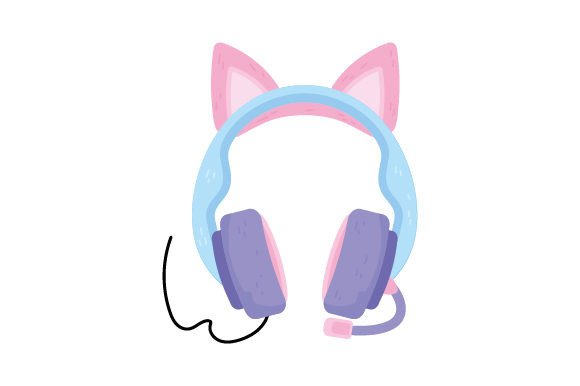
As someone who spends more time than I care to admit staring at stitch previews on my monitor, I know that a cute concept on a screen doesn't always translate perfectly to thread. When I first pulled up the Kawaii Gaming Earphones design file, my initial reaction was one of immediate recognition. This isn't just another generic icon; it captures that specific, vibrant energy of modern gaming culture mixed with the soft, approachable aesthetic of kawaii art. For embroidery designers and small business owners looking to tap into the Video Games niche without alienating a broader audience, this design offers a compelling starting point. However, before you commit this to a client's favorite hoodie or a batch of tote bags for your Etsy shop, let's break down how this machine embroidery design actually performs under the needle.
First Impressions and Visual Personality
The mood this design creates is playful yet tech-savvy. The lines are clean, suggesting a well-digitized file that prioritizes clarity over unnecessary complexity. In the world of Crafts, especially when dealing with pop-culture themes, there is a fine line between "cute" and "childish." This design walks that line beautifully. The shape of the earphones is distinct, making it instantly recognizable even from a distance. For an embroidery project intended for apparel or home decor, this visual personality is crucial. It speaks to a demographic that values both style and substance—gamers who want to display their hobby proudly but with a touch of whimsy.
When evaluating the layout and detail level, I noticed the balance between open spaces and filled areas. A common pitfall in digital files meant for embroidery is excessive detail that turns into a muddy mess once stitched. Here, the elements seem spaced out enough to allow the thread colors to pop without bleeding into each other. Whether you are using a classic satin stitch for the outlines or a textured fill stitch for the body of the earphones, the design appears robust enough to handle standard machine tensions.
Real-World Application: The Custom Sweatshirt Scenario
To truly test the viability of any design, I like to visualize a specific real-life scenario. Imagine a customer comes to your craft business requesting a custom gift for their teenage daughter who loves streaming and anime. They want something cozy but stylish. You decide to use Kawaii Gaming Earphones on a high-quality, heavyweight cotton blend sweatshirt. This is a perfect use case. The design's scale fits well on the chest or sleeve, acting as a statement piece without overwhelming the garment.
In this context, the finished product would likely exceed expectations. The contrast between the bright, fun colors of the design and a neutral fabric like heather grey or navy blue would create a professional look that feels boutique-made rather than mass-produced. For an Etsy seller, this kind of item is gold. It targets a specific interest group while remaining versatile enough for everyday wear. The design also works exceptionally well as a tote bag design. Picture a canvas bag used for carrying convention merch or school supplies; the durability of the embroidery combined with the trendy graphic makes it a practical and desirable handmade product.
Versatility Across Different Products
Beyond sweatshirts and totes, the adaptability of this file is worth noting. If you are running a small shop product line, consider applying this to:
- Embroidered patches: The clear boundaries of the design make it ideal for cut-and-sew patches that can be ironed onto jackets or backpacks.
- Baby embroidery: With softer pastel thread choices, this becomes an adorable motif for baby onesies or nursery blankets, appealing to gamer parents.
- Holiday embroidery: It serves as a unique twist for holiday gifts, perhaps incorporated into a stocking or a festive pillow cover.
- Custom apparel: From t-shirts to aprons, the design holds its own on various fabric weights.
However, versatility does not mean universal compatibility. There are situations where you need to proceed with caution.
Technical Considerations and Fabric Choices
While the design looks promising, practical embroidery requires a critical eye for technical limitations. If you are planning to stitch this on textured fabrics like thick towels or corduroy, be mindful of how the smaller details might get lost. Similarly, on stretchy fabric like jersey knits, proper stabilization is non-negotiable. Without the right stabilizer, the intricate parts of the earphones could pucker or distort after washing, ruining the professional finish you aimed for.
Another area to watch is hoop size. If you are working with smaller hoops for items like caps or infant clothing, ensure the design fits comfortably within the stitching field without hitting the hoop edges. Curved surfaces, such as the front of a baseball cap, can also be tricky. The density of the stitches needs to be checked; if the stitch density is too high, it might cause the fabric to pull or the design to become stiff and uncomfortable against the skin. Always review the digitizing quality regarding running stitch connections and jump stitches to minimize trimming time and ensure a clean backside.
Maximizing Value and Customer Trust
Using a high-quality design like Kawaii Gaming Earphones directly impacts your brand consistency and customer trust. When a buyer receives a personalized gift or a piece of custom apparel that looks crisp and durable, they associate that quality with your brand. This leads to repeat business and positive reviews. Conversely, a poorly executed design can damage your reputation. Therefore, treating this file as a premium asset in your library is essential. It enhances the perceived value of your commercial embroidery projects, allowing you to price your items confidently.
Practical Notes for the Professional Stitcher
Before you start stitching on your final material, here are some actionable steps to ensure success:
- Test on scrap fabric: Always run a test stitch-out on a similar fabric to your final project to check for tension issues and registration.
- Check thread color contrast: Experiment with different thread palettes. While the default colors might be great, a monochromatic scheme or high-contrast neon look could offer a fresh take for specific clients.
- Review stitch density: Look closely at the preview. If areas look too dense, consider editing the file (if you have the skills) or choosing a thicker fabric to support it.
- Inspect small details: Zoom in on the digital file to ensure tiny elements won't collapse during stitching.
- Mockup testing: Create printable mockups or digital previews to show clients how the design will look on light versus dark backgrounds before committing to thread.
- Verify licensing: Since this is a digital embroidery file available in formats like SVG, PNG, EPS, and DXF, confirm the license terms. Ensure you are cleared for commercial use if you plan to sell finished items or use it in products for your small shop product line.
It is important to note that specific technical details like exact stitch counts or recommended needle sizes are not provided in the base description. As a responsible designer, you must verify these parameters within your embroidery software before proceeding. Formats like SVG File, Transparent PNG, EPS, and DXF offer great flexibility for resizing and editing, but they also require you to take charge of the final digitizing adjustments if necessary.
In conclusion, Kawaii Gaming Earphones is a strong contender for anyone looking to expand their portfolio in the gaming and lifestyle sectors. Its charm lies in its simplicity and its ability to resonate with a passionate community. By approaching it with a designer's eye for detail and a craftsperson's respect for materials, you can turn this digital asset into a standout physical product that delights customers and elevates your brand.