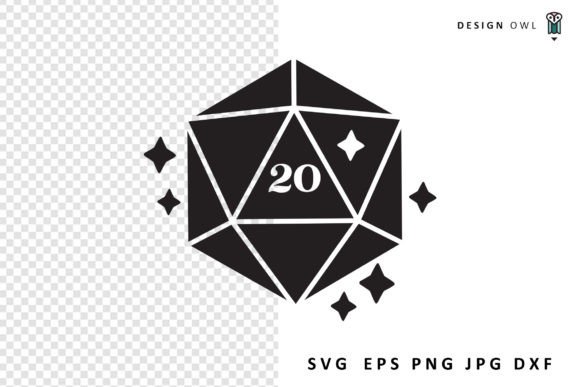
Twenty Sided Dice SVG: Gaming Graphics for Crafts
As a digital publisher who spends more time tweaking CSS and optimizing image compression than actually writing, I approach every new graphic design asset with a critical eye. It is not enough for an image to look good in isolation; it must perform within the chaotic ecosystem of a live website, a crowded Pinterest feed, and a responsive email newsletter. Recently, I evaluated the Twenty Sided Dice SVG to see if it could hold its own in a professional content publishing workflow. My goal was simple: determine if this file could elevate editorial design standards while maintaining the playful energy required for gaming and hobbyist niches.
First Impressions and Editorial Mood
Upon opening the files, the immediate impression is one of geometric precision mixed with nostalgic fun. The twenty-sided die, or D20, is the universal symbol of tabletop role-playing games, instantly signaling a specific mood to the reader. This isn't just a random shape; it carries cultural weight. For a blog focused on gaming, education, or even creative problem-solving, this asset creates an instant connection. The design feels modern yet timeless, striking a balance between a bold icon and a decorative element. It avoids looking overly childish, which is crucial for maintaining reader trust on sites that cater to adult hobbyists or serious gamers. The clean lines suggest a level of professionalism that fits well within a polished brand identity, proving that niche topics can still have high-end visual presentation.
Integrating into Real Publishing Workflows
The true test of any digital download is its versatility across different platforms. I imagined deploying the Twenty Sided Dice SVG across several key touchpoints in a standard content strategy. First, consider the website header. Placing this icon next to a site logo or as a favicon immediately categorizes the blog's theme without needing words. For article graphics, it serves as an excellent anchor point. Imagine a blog post about "Top 10 Strategies for Dungeon Masters"; using this dice graphic as a featured image overlay creates a clear visual hierarchy, drawing the eye before the reader even processes the headline.
Beyond the blog itself, this asset shines in content marketing materials. For Pinterest pin creation, where vertical space is premium, the distinct shape of the D20 breaks up text-heavy layouts effectively. It acts as a visual bullet point or a background watermark that adds texture without obscuring the message. In the realm of affiliate marketing, where click-through rates are king, having a recognizable, high-contrast icon can make product reviews stand out in a sea of generic stock photography. Furthermore, for those creating digital guides or lead magnet PDFs, this graphic can be used to create custom chapter dividers or worksheet icons, adding a layer of perceived value to free resources.
Performance and Visual Identity
Why does a single vector file matter for overall site performance? Consistency. When you use the same high-quality design assets across your social media graphics, newsletter banners, and blog thumbnails, you build stronger category recognition. Readers begin to associate that specific dice illustration with your authority on the subject. This consistency improves the professional look of content pages, making the site feel like a established publication rather than a hobby project. The scalability of the SVG format ensures that whether it is blown up for a hero image or shrunk for a mobile thumbnail, the edges remain crisp, preserving the integrity of the modern design aesthetic.
Ideal Use Cases for Maximum Impact
To get the most out of the Twenty Sided Dice SVG, placement is key. It works exceptionally well as:
- Hero Images: Used as a central focal point for landing pages promoting gaming accessories or tutorials.
- Article Thumbnails: Providing a quick visual cue for category archives, helping users scan for relevant content faster.
- Editorial Accents: Breaking up long blocks of text in long-form articles to maintain reader engagement.
- Downloadable Resources: Serving as a cover icon for checklists, character sheets, or rule summaries.
- Newsletter Headers: Adding a thematic touch to weekly updates that keeps the branding consistent from web to inbox.
Where Caution is Required
However, not every context is suitable for such a specific icon. In very serious professional niches, such as corporate finance or medical advice, this graphic might undermine the gravity of the content unless used ironically or in a very specific "gamification" context. Additionally, care must be taken when placing it over busy backgrounds or low-contrast areas. On small mobile thumbnails, intricate details within the dice faces might get lost if the file is not optimized correctly. It is also less effective in text-heavy blog images where it might compete with the headline for attention. The key is to ensure it supports the message, not distracts from it.
Practical Notes for Publishers and Designers
Before integrating this asset into a monetized site or a client project, there are several technical steps to take. Always test the graphic on both desktop and mobile screens to ensure readability at various sizes. Preview it inside your actual blog layout rather than just in your design software, as surrounding colors and fonts can alter its perception. Experiment with pairing it alongside different typography styles; it often looks striking beside bold sans-serif fonts but can also add a nice contrast to elegant serif or handwritten script fonts.
From a technical standpoint, review the file size. While SVGs are generally lightweight, ensure that any converted PNG or JPG versions are properly compressed for web performance to avoid slowing down page load times. Most importantly, confirm the commercial license terms. Since this product includes formats like EPS, DXF, and SVG suitable for Photoshop, Illustrator, Inkscape, and Cricut, it offers immense flexibility for creating physical merchandise or complex Canva templates. However, if you are using it for small business branding or selling printable design products, you must verify that the license from the creative marketplace allows for such commercial design usage. By treating this Twenty Sided Dice SVG not just as a clipart file but as a strategic component of your web design toolkit, you can significantly enhance the visual appeal and effectiveness of your digital presence.