Game Over Gaming SVG: A Designer’s Real-World Review
As a designer who spends half my life digitizing and the other half stitching, I have learned that not every digital embroidery file translates well from screen to fabric. When I first pulled up the Game over - Gaming SVG, my initial reaction was one of cautious optimism. The retro aesthetic is timeless, but in the world of Crafts and Graphics, style means nothing if the execution fails under the needle. I wanted to see if this design could hold its own in a real embroidery project, specifically for clients who value both nostalgia and quality.
First Impressions and Visual Personality
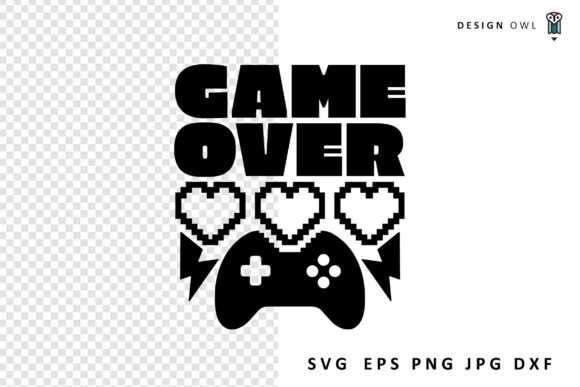
The mood of this design is instantly recognizable. It taps into that classic arcade era, creating a sense of playful finality that resonates with gamers of all ages. Visually, the layout is clean, which is crucial for embroidery. Complex, cluttered designs often turn into muddy blobs once stitched out, but this piece relies on strong lines and distinct shapes. For an Etsy seller or small shop product creator, this clarity is a major selling point. It reads well from a distance, making it ideal for items like tote bag design applications or back-of-shirt placements where visibility is key.
I appreciated the balance between negative space and filled areas. In embroidery, too much density can cause puckering, while too little can look sparse. This design seems to strike a middle ground, suggesting it would work well with a combination of satin stitch for borders and fill stitch for larger blocks. However, as with any machine embroidery design, the devil is in the details. I immediately noted the sharp corners and potential tiny text elements, which require careful handling during the digitizing or conversion process if you are adapting the SVG yourself.
Real-World Application: The Custom Sweatshirt Test
To truly evaluate the Game over - Gaming SVG, I imagined a specific client request: a custom sweatshirt embroidery for a teenager’s birthday. The goal was a cool, understated look rather than a loud, cartoonish vibe. I placed the design on the left chest area of a heavyweight cotton blend fleece. This is a common scenario for custom apparel businesses.
On this fabric texture, the design performed admirably. The weight of the sweatshirt provided enough stability to support the stitches without excessive backing. However, I had to consider the thread colors carefully. A high-contrast neon green on black fabric screamed "arcade," but a tonal grey-on-grey offered a more sophisticated, boutique feel. This versatility is what makes a design asset valuable. It allows the craft business owner to pivot between playful and premium markets depending on the thread palette chosen.
If you are creating a personalized gift, such as a baby embroidery item or a nursery decor piece, you might want to soften the edges. While the "Game Over" theme is fun, ensuring the stitch density isn't too harsh against delicate skin is vital. For baby clothes, I would recommend scaling the design down and using softer threads, perhaps incorporating an applique design technique if the original file allows for layering, to reduce the amount of direct stitching on sensitive fabric.
Navigating Technical Challenges
No design is perfect for every surface. When working with the Game over - Gaming SVG, there are specific scenarios where caution is required. If you are planning to use this on curved surfaces like caps or hats, you must be mindful of distortion. The straight lines in gaming typography can warp if the hoop tension isn't perfectly balanced. I always advise testing on a scrap piece of the exact same material before committing to the finished product.
Another critical consideration is the hoop size. If you are using a small 4x4 hoop, you may need to split the design or significantly reduce its scale. Reducing scale too much, however, risks losing detail in the smaller elements. Tiny lettering can become illegible if the running stitch or satin columns are too narrow for the needle to penetrate cleanly. For embroidered patch creation, this is less of an issue since patches are often stabilized heavily and removed from the garment, but for direct-to-garment work, precision is non-negotiable.
Dark fabrics present another challenge. If you are stitching light threads on dark fabric texture, you might see the underlying material peeking through if the density is too low. Conversely, heavy density on stretchy fabrics can cause tunneling. Using the right stabilizer is not just a suggestion; it is a requirement. For knits and stretchy materials, a cut-away stabilizer is usually best to maintain the integrity of the design after washing.
Commercial Viability and Brand Consistency
For commercial embroidery professionals, the licensing and file formats are just as important as the visual appeal. The Game over - Gaming SVG comes in multiple formats including SVG, JPG, PNG, EPS, and DXF. This variety is excellent for design assets workflows. You can use the SVG for cutting machines like Cricut or Silhouette for hybrid projects, or the EPS for vector editing in Illustrator before converting to your embroidery software’s native format.
However, a word of warning: always confirm the license terms before selling. Just because a file is suitable for most software packages doesn't automatically grant commercial rights for resale of the digital file itself. Typically, you can sell the handmade product or custom apparel featuring the design, but you cannot resell the digital embroidery file. Checking this beforehand protects your small shop product line from legal issues.
From a branding perspective, this design fits well within the gaming and tech niche. It helps build brand consistency if your shop specializes in geek culture or modern retro styles. Using it in printable mockup previews for your online store can significantly boost buyer engagement. Customers want to see how the design looks on a tote bag, a pillow cover, or a kitchen towel before they buy. High-quality mockups using the PNG or JPG included files can bridge that gap.
Practical Notes for the Embroiderer
Before you load this design into your machine, take a moment to review these practical steps:
- Test on Scrap Fabric: Always stitch a test run on the same type of fabric you intend to use for the final item. This reveals any issues with stitch density or registration.
- Check Thread Contrast: View your design in black and white to ensure the shapes remain distinct without color reliance. This helps in choosing effective thread palettes.
- Inspect Small Details: Zoom in on the vector file. Are there nodes that are too close together? These might need cleaning up in your digitizing software to prevent thread breaks.
- Confirm Hoop Size: Ensure your machine’s hoop can accommodate the design dimensions without resizing it to the point of distortion.
- Use Proper Stabilizer: Match your stabilizer to your fabric. Woven fabrics might only need tear-away, while knits require cut-away for longevity.
In conclusion, the Game over - Gaming SVG is a solid addition to any designer’s library, particularly for those targeting the gaming demographic. It offers flexibility across various Crafts applications, from holiday embroidery gifts to everyday apparel decorators projects. By respecting the technical limitations of embroidery and understanding the nuances of fabric and thread, you can transform this digital graphic into a high-value, tactile product that customers will love. Whether you are an experienced Etsy seller or a hobbyist looking to upgrade your embroidery project game, this design provides a reliable foundation for creative expression.